How Data Centers Stimulate the Economy and the Industrial Infrastructure Behind Them
Data centers power the modern digital world. Every time you stream a video, store files in the cloud, or complete an online transaction, a data center makes it possible. As technologies like artificial intelligence, cloud computing, and the Internet of Things (IoT) continue to grow, demand for data centers is rising rapidly.
But data centers are not just about servers and software. They are large-scale infrastructure projects that rely on engineering, manufacturing, and construction. These facilities drive economic growth by creating jobs, strengthening industries, and attracting investment.
At the center of this ecosystem are companies like Miller Industries. They provide the custom fabrication, air handling systems, and modular infrastructure solutions that make modern data centers possible.
Understanding Data Centers from an Industrial Perspective
What Makes Up a Modern Data Center
A data center includes far more than rows of servers. It depends on multiple engineered systems working together.
These systems include structural steel frameworks that support heavy equipment, electrical systems that deliver reliable power, and advanced cooling systems that control temperature. Teams also design cable management systems, enclosures, and mechanical supports to improve efficiency and safety.
Every component must meet strict standards. Even small errors can reduce performance or cause system failure. That is why precision engineering and high-quality manufacturing matter.
Types of Data Centers Driving Demand
Different types of data centers are driving industrial growth.
Hyperscale data centers handle massive volumes of data for global tech companies. Colocation data centers allow multiple businesses to share infrastructure. Edge data centers sit closer to users, delivering faster performance with lower latency.
Each type requires significant infrastructure. This demand increases the need for custom fabrication, modular systems, and engineered solutions.
The Hidden Industrial Backbone of Data Centers
Most people focus on the digital side of data centers. But their physical infrastructure makes everything possible.
Custom Steel Fabrication
Structural steel forms the foundation of every data center. Engineers use it to build frameworks, platforms, and support systems.
Fabricators design these structures to handle heavy loads and perform over the long term. Custom fabrication ensures that every component fits perfectly within the project design. It also allows flexibility for future expansion.
Air Handling and Cooling Systems
Servers generate heat constantly. Without proper cooling, systems can fail quickly.
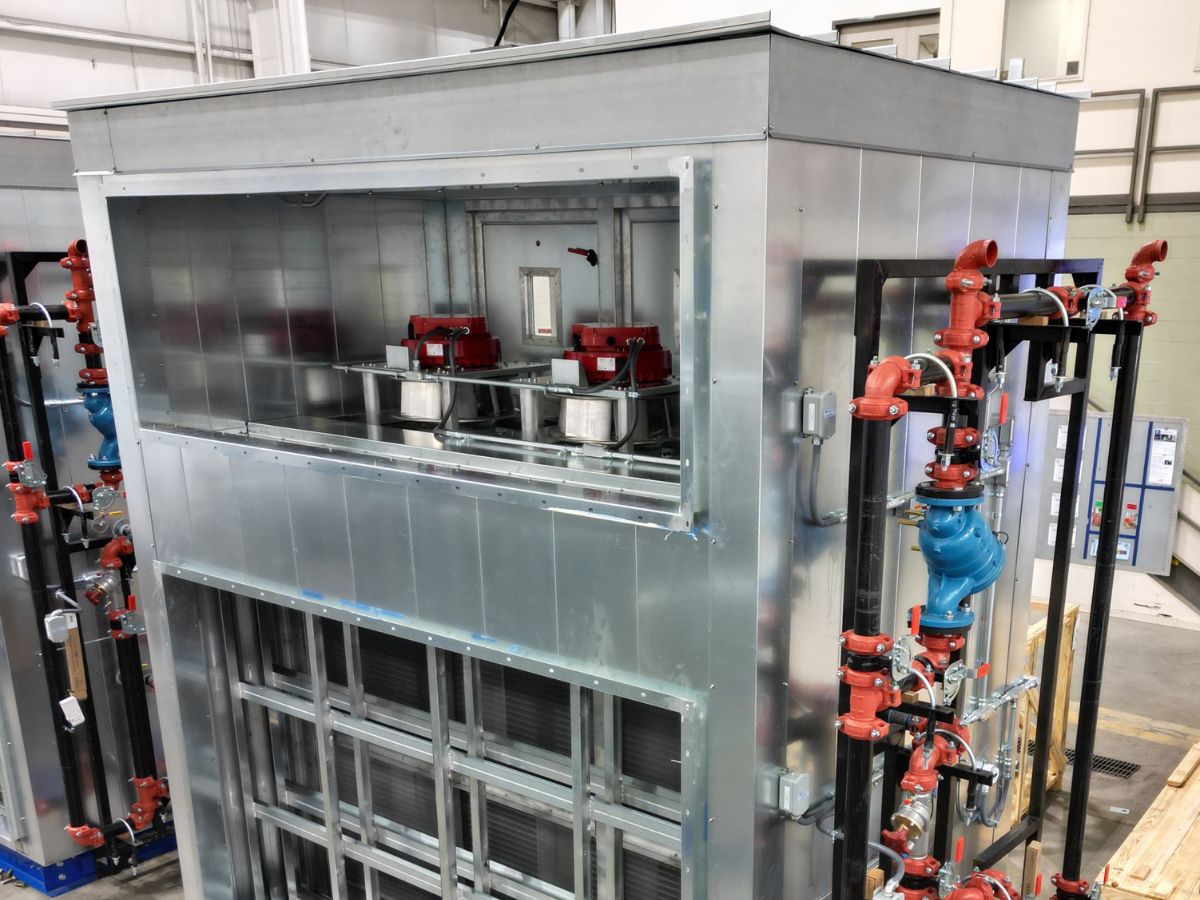
Air handling systems regulate temperature, manage airflow, and maintain stable conditions. High-performance HVAC systems protect equipment and improve energy efficiency. As data centers scale, efficient cooling becomes even more critical.
Modular Mechanical and Electrical Systems
Many modern data centers use modular construction.
Teams build electrical rooms, mechanical enclosures, and integrated systems off-site. Then they install them quickly on-site. This approach reduces construction time and improves consistency.
Modular systems also make it easier to scale operations. Businesses can expand infrastructure without major disruptions.
Material Handling and Industrial Systems
Material handling and logistics support the entire process. These systems move components during manufacturing and ensure timely delivery to job sites.
They may not be visible, but they keep projects efficient and on schedule.
How Data Centers Stimulate the Economy
Data centers create value far beyond their core function. They impact multiple industries and drive long-term growth.
Job Creation Across Multiple Sectors
Data centers create jobs at every stage.
Construction teams build the facilities. Engineers design systems and oversee execution. Manufacturing companies produce components, creating roles for welders, fabricators, and technicians. Once operational, data centers require staff to maintain and monitor systems.
These jobs often require specialized skills, which leads to better wages and workforce development.
Growth of the Manufacturing Sector
Data centers drive demand for manufactured products such as:
- Structural steel components
- Air handling and HVAC systems
- Electrical enclosures and modular units
This demand encourages companies to invest in advanced manufacturing technologies. It also supports long-term growth in industrial sectors.
Strengthening Local and Regional Economies
When companies build data centers, local economies benefit.
Suppliers and contractors gain new business. Restaurants, housing, and retail sectors see increased demand. Over time, these developments create stable economic growth in the region.
Infrastructure Development
Data centers require strong infrastructure. As a result, developers often upgrade:
- Power grids
- Fiber-optic networks
- Transportation systems
These improvements benefit businesses and communities beyond the data center itself.
Attraction of Large-Scale Investment
Data centers attract major investments from global technology companies.
This investment brings new opportunities, encourages industrial partnerships, and strengthens regional economies. Over time, it can transform areas into technology and innovation hubs.
Why Industrial Manufacturing Is Critical to Data Center Growth
Data centers depend on reliable infrastructure. Industrial manufacturing ensures that every component performs as expected.
Precision Engineering and Reliability
Data centers operate around the clock. They cannot afford downtime.
Manufacturers must build components with accuracy and durability. High-quality fabrication ensures that structures remain stable and systems perform under pressure.
Turnkey Manufacturing Solutions
Integrated solutions simplify complex projects.
When companies handle design, fabrication, and assembly together, they reduce delays and improve coordination. This approach leads to faster project completion and consistent results.
Scalability Through Modular Systems
Demand for data continues to grow. Data centers must expand quickly.
Modular systems allow teams to scale operations efficiently. They can add new components without interrupting existing systems. This flexibility is essential in a fast-changing digital environment.
Industries Benefiting Alongside Data Centers
Data centers support many industries.
Automotive companies use them for automation and analytics. Healthcare providers rely on them for patient data and research. Energy companies use them for monitoring and control systems. Industrial and institutional sectors also benefit from improved connectivity and data management.
This interconnected growth strengthens the overall economy.
Challenges in Data Center Expansion
Despite their benefits, data centers face several challenges.
Energy demand remains high. Facilities must balance performance with efficiency. Cooling systems must handle large workloads without excessive power consumption.
Supply chain disruptions and rising material costs can delay projects. At the same time, companies need more skilled workers to support manufacturing and engineering roles.
Land availability and infrastructure limitations also affect where developers can build new facilities.
Sustainability and the Future of Data Centers
Sustainability is becoming a top priority.
Companies are investing in energy-efficient cooling systems and renewable energy sources. These efforts reduce environmental impact while maintaining performance.
Manufacturers are also improving processes. They reduce waste, optimize materials, and focus on long-term efficiency. These changes help ensure sustainable growth for the industry.
The Future Opportunity for Industrial Leaders
The data center industry will continue to grow.
This growth creates opportunities for industrial companies that can deliver high-quality, scalable solutions. Demand for custom fabrication, modular systems, and advanced manufacturing will increase.
Technologies like edge computing and smart infrastructure will push innovation even further. Companies that adapt quickly will lead the next phase of growth.
Conclusion
Data centers do much more than store and process data. They drive economic growth by creating jobs, strengthening industries, and attracting investment.
Their success depends on a strong industrial infrastructure. Every system, from structural steel to air handling, plays a role in ensuring performance and reliability.
At Miller Industries, we understand what it takes to support these complex environments. Our team delivers custom steel fabrication, advanced air handling systems, and modular engineered solutions designed for large-scale, high-performance projects.
As data centers continue to expand, we remain committed to building the infrastructure that powers the digital economy. We work alongside our partners to deliver solutions that are efficient, scalable, and built to last.
FAQs
How do data centers support economic growth?
Data centers create jobs, drive infrastructure development, and increase demand in manufacturing and construction. They also attract investment and support local businesses.
What role does fabrication play in data centers?
Fabrication provides the structural and mechanical components that support data center operations. This includes steel frameworks, enclosures, and modular systems.
Why are air handling systems important in data centers?
Air handling systems control temperature and airflow. They prevent overheating and help equipment run efficiently and reliably.
Are data centers beneficial for manufacturing industries?
Yes. Data centers create consistent demand for fabricated components, HVAC systems, and modular infrastructure. This supports long-term industrial growth.
How does Miller Industries support data center projects?
Miller Industries provides custom fabrication, air handling systems, and modular infrastructure solutions. These systems help ensure reliability, efficiency, and scalability in data center environments.