The Innovations in Modular Substations
Substations are vital for the electrical grid, enabling the transmission and distribution of electricity. Traditional substations, however, can be costly, time-consuming to build, and inflexible.
Modular substations offer a modern solution with flexibility, scalability, and rapid deployment. Miller Industries, with its deep expertise in mechanical and electrical design, leads the way in these innovations.
What Are Modular Substations?
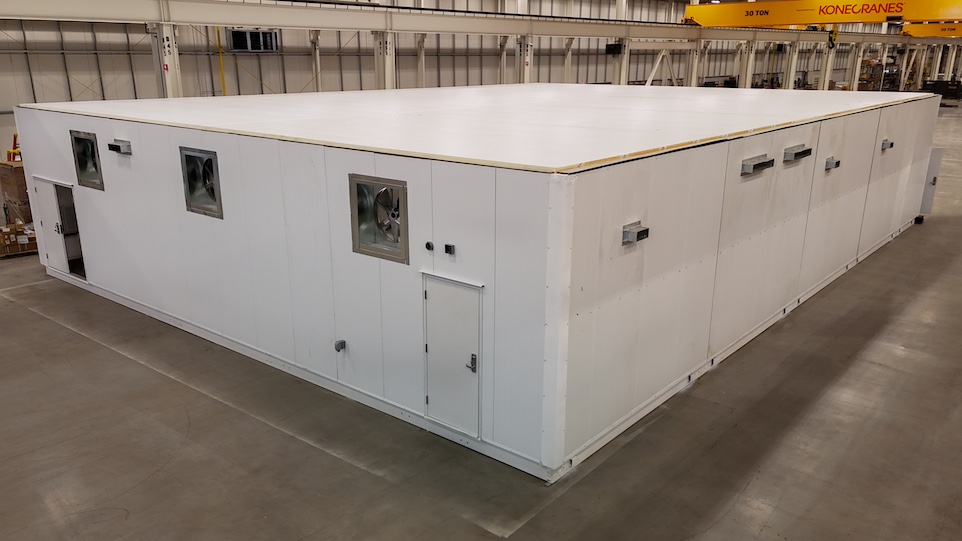
Modular substations are pre-fabricated units that perform the same functions as traditional substations but with greater efficiency and flexibility.
Built off-site in a controlled environment, these substations are then transported to their final location. This method reduces construction time, minimizes environmental impact, and lowers costs.
Historical Evolution of Substations
Substations have evolved significantly over the years. Initially, they were large, complex structures requiring extensive on-site assembly. Technological advances highlighted the need for more efficient, scalable, and cost-effective solutions, leading to the development of modular substations. This modern alternative offers numerous benefits over traditional setups.
Key Innovations in Modular Substations
Design and Engineering
Modular substations use standardized, pre-fabricated modules that can be customized to specific needs. This approach ensures compact designs and efficient space use. Miller Industries excels in providing both mechanical and electrical design expertise, optimizing each module.
Construction and Installation
A major advantage of modular substations is their off-site manufacturing and assembly. Constructed in a controlled environment, these substations meet high-quality standards and minimize potential on-site delays. Quick and efficient installation processes reduce on-site installation and startup costs utilizing pretesting and commissioning prior to shipping, a key benefit highlighted by Miller Industries.
Technology Integration
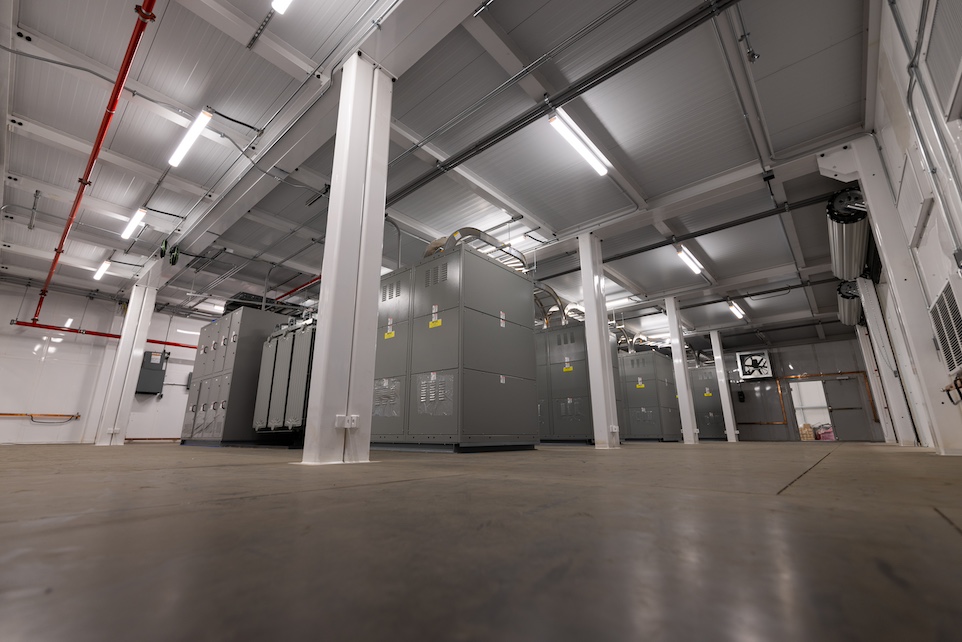
Modern modular substations are designed to be compatible with smart grid technologies, enabling integration with renewable energy sources and advanced monitoring systems. Miller Industries supports a wide range of electrical applications, including low and medium-voltage transformers, switchgear, and UPS systems, ensuring comprehensive solutions for any project.
Benefits of Modular Substations
Cost Efficiency
Modular substations offer significant cost savings in construction and maintenance. Off-site manufacturing reduces labor costs and minimizes on-site disruptions. Additionally, high-quality standards during manufacturing lead to lower maintenance expenses over the substation’s lifespan.
Time Efficiency
The modular approach significantly shortens construction timelines. Built and tested off-site, the on-site installation process is quick and efficient, allowing for faster deployment and commissioning. This time efficiency is crucial for projects with tight deadlines or urgent requirements.
Flexibility and Scalability
Modular substations are flexible and scalable, making them ideal for various applications. They can be expanded or modified to meet changing demands, and their portable nature suits temporary or remote installations. This adaptability ensures modular substations can evolve with the needs of the electrical grid.
Reliability
Rigorous factory testing ensure the reliability and performance of modular substations. Miller Industries conducts comprehensive tests on all electrical systems before they leave the factory, guaranteeing they meet the highest quality standards. This focus on reliability ensures optimal field performance.
Future Trends in Modular Substations
The future of modular substations is promising, with emerging technologies set to enhance their capabilities further. Advances in energy storage integration, automation, and artificial intelligence are expected to play significant roles in the next generation of modular substations.
Miller Industries is committed to staying at the forefront of these developments, continuously innovating to provide cutting-edge solutions for the energy sector.
FAQs
What is the future of modular substations?
The future of modular substations looks bright with continuous advancements in technology. Integration with renewable energy sources, enhanced automation, and smart grid compatibility are expected to drive innovation. Miller Industries is dedicated to leading these advancements, ensuring their solutions remain at the cutting edge.
What are the design considerations for a modular substation?
Design considerations for a modular substation include ensuring compact and efficient space use, compatibility with existing grid systems, and the ability to integrate advanced monitoring and control technologies. Additionally, using durable materials and maintaining high-quality standards during off-site manufacturing is crucial. Miller Industries excels in addressing these considerations, delivering optimized and reliable modular substations.
How does a modular substation reduce installation time?
A modular substation reduces installation time because major components are built, assembled, and tested off-site before they arrive at the project location. This limits field construction, reduces coordination challenges, and helps teams move from delivery to commissioning more efficiently.
What equipment can be included in a modular substation?
A modular substation can include transformers, switchgear, UPS systems, control panels, monitoring equipment, and related mechanical or electrical systems. The exact configuration depends on the facility’s voltage requirements, site conditions, available space, and long-term operating needs.
Are modular substations suitable for industrial facilities?
Yes. Modular substations are well suited for industrial facilities that need reliable electrical infrastructure with less disruption to daily operations. Since much of the work happens in a controlled manufacturing environment, the final system can be built with strong quality control before it reaches the site.
What is the difference between a modular substation and a traditional substation?
A traditional substation is usually built mostly on-site, which can require more field labor, longer timelines, and more site coordination. A modular substation is prefabricated off-site, then transported and installed at the project location. This approach can improve speed, flexibility, and overall project efficiency.
Can modular substations be customized?
Yes. Modular substations can be designed around a facility’s electrical load, available footprint, access requirements, environmental conditions, and future expansion plans. This makes them useful for projects where a standard substation layout may not fit the site or operational needs.
Do modular substations support future expansion?
Yes. Modular substations are designed to be scalable. Additional modules, system upgrades, or layout adjustments can often be planned as power demands change. This makes them a practical option for growing facilities, phased projects, and evolving electrical infrastructure.
How long does it take to build a modular substation?
Fabrication timelines typically range from a few months to under a year, depending on voltage class, equipment complexity, and testing requirements. Because manufacturing happens off-site in parallel with site prep, overall project schedules are often shorter than traditional stick-built substations.
How much does a modular substation cost compared to a traditional substation?
Modular substations often carry a lower total installed cost due to reduced field labor, fewer weather-related delays, and less on-site coordination, even when equipment costs are similar.
What is the lifespan of a modular substation?
A well-designed, properly maintained modular substation typically has a service life comparable to traditional substations — often 25 to 40+ years — since core components like transformers and switchgear follow the same industry standards.
Conclusion
Modular substations represent a significant advancement in electrical infrastructure. Their flexibility, scalability, and cost-efficiency make them an attractive alternative to traditional substations.
Miller Industries, with its extensive expertise in mechanical and electrical design, commitment to quality, and innovative approach, is leading the way in this space. Their solutions are tailored to meet the modern energy grid’s demands, ensuring reliability, efficiency, and adaptability.
For more information on how Miller Industries can support your modular substation needs, contact us today. Our team of experts are ready to provide customized solutions that meet your specific requirements.